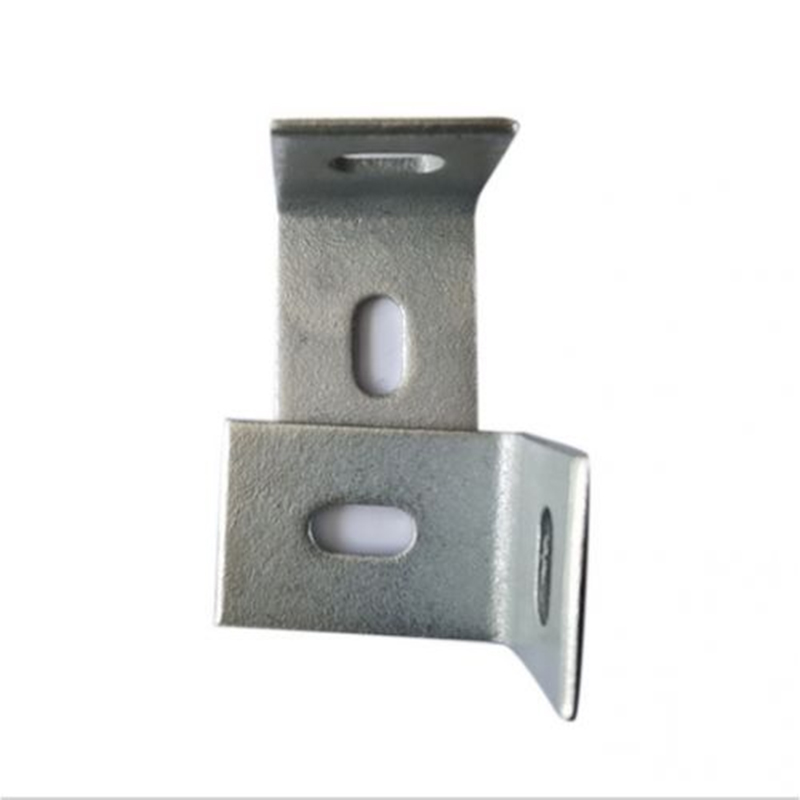
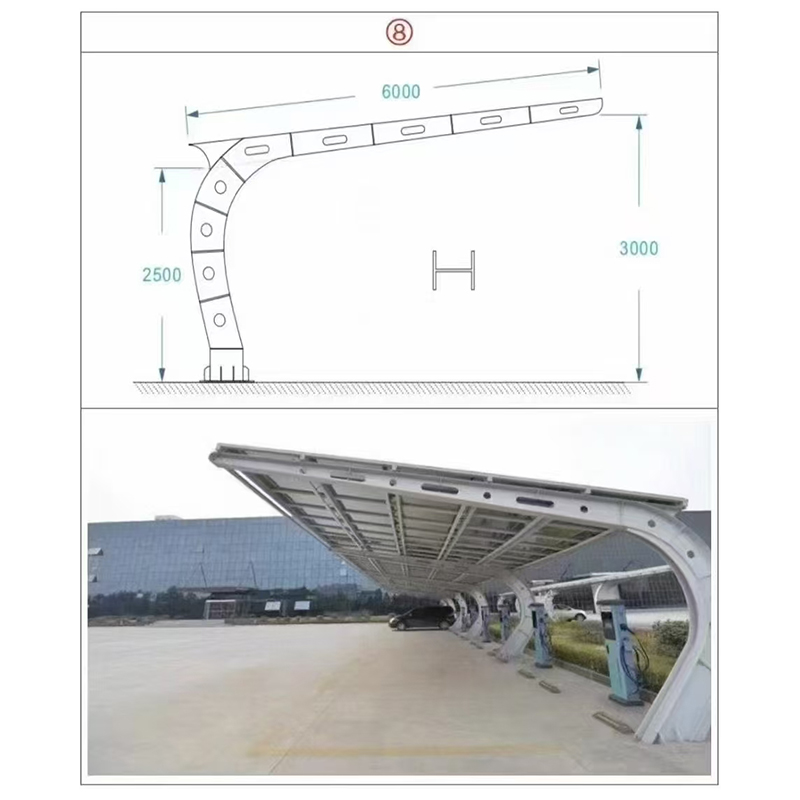
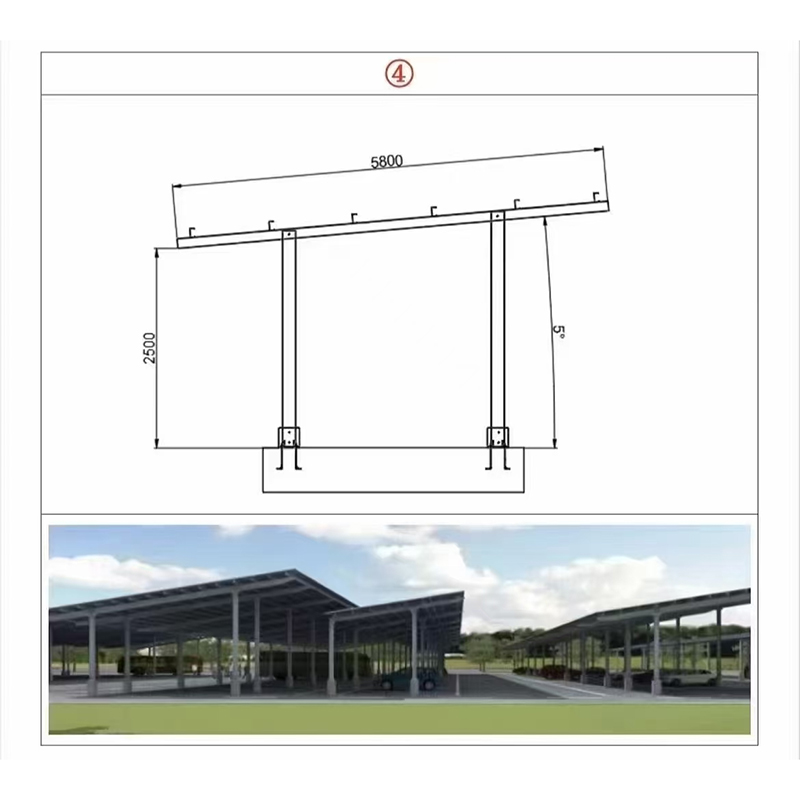
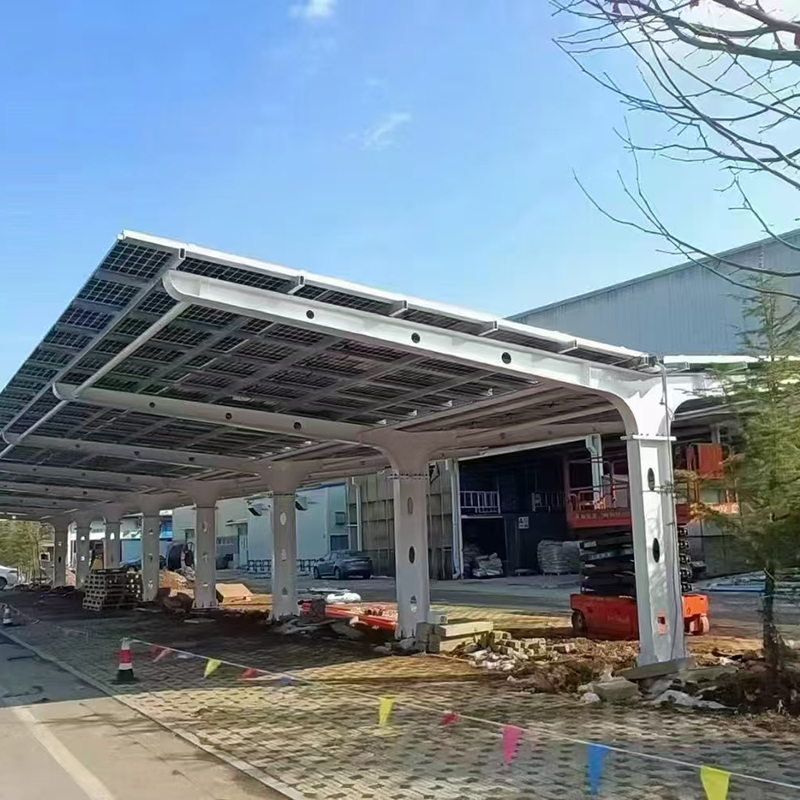
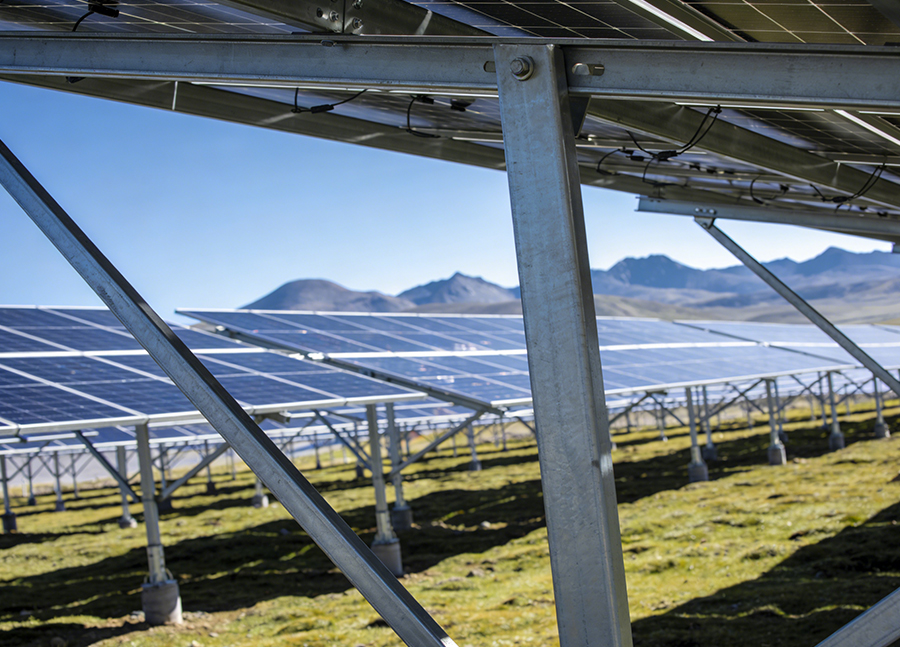
As the core node component connecting the purlin and the main structure of the bracket, it can transmit the weight of PV modules and external loads such as wind and snow borne by the purlin to the column or main beam. The material is mostly galvanized steel or aluminum alloy, taking into account the requirements of corrosion resistance and lightweight. During installation, it is necessary to accurately calibrate the position, and perform horizontal calibration after fixing the base. If the installation is inclined, it is easy to cause uneven force on the purlin, which will damage the PV panel. Some high-end purlin brackets adopt an adjustable design to facilitate on-site fine-tuning of the angle, and new products integrate stress monitoring sensors to feedback the force state in real time.