I. Applicable Climate: Focusing on the Core Needs of “Low Temperature + Large Temperature Difference”
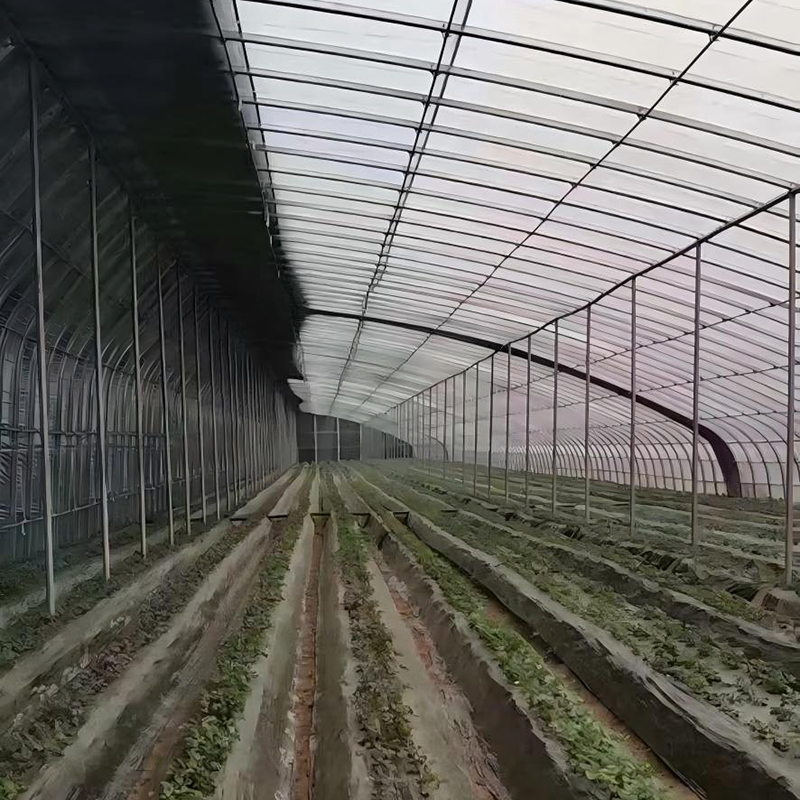
The core advantage of the insulated warm greenhouse with quilt is night thermal insulation and daytime heat storage. Its climate adaptability focuses on two key scenarios: “low temperature stress” and “temperature fluctuation”, and it is specifically applicable to the following climate types:
Temperate Continental Climate
Typical Characteristics: Severe and long winter (extreme low temperature -20℃~-40℃), large temperature difference between day and night (up to more than 15℃), less snowfall, and sufficient sunlight.
Adaptation Logic: The thick fiber layer of the quilt can effectively block the penetration of cold air at night, and cooperate with daytime sunlight to store heat, solving the problem of crop frost damage in winter; the dry climate can avoid quilt mildew and extend the service life.
Representative Climate Zones: Inland Northwest China, Central Asia, Central North America, etc.
Temperate Monsoon Climate
Typical Characteristics: Cold winter (low temperature -10℃~-25℃), hot summer, drastic temperature difference in spring and autumn, and windy winter.
Adaptation Logic: In winter, it is necessary to resist the continuous low temperature brought by the southward movement of cold air; in spring, it can alleviate the frost damage of seedlings caused by “late spring cold”; the windproof design (such as quilt fixing ropes and film rollers) can cope with the impact of monsoons and avoid quilt falling off.
Representative Climate Zones: North China, southern Northeast China, northern Korean Peninsula, etc.
Subtropical Humid Climate (Mild and Low Temperature Winter Zones)
Typical Characteristics: Mild winter but occasional frost (low temperature 0℃~-5℃), high air humidity, and frequent rainy weather.
Adaptation Logic: For short-term frost and night temperature drop, the quilt can quickly increase the temperature inside the greenhouse by 3~5℃ to protect thermophilic crops; it is necessary to cooperate with indoor ventilation and quilt moisture-proof treatment (such as outer film covering and inner breathable cotton) to avoid moisture retention.
Representative Climate Zones: Yangtze River Basin in China, southeastern United States, southeastern Australia, etc.
Plateau Mountain Climate (Middle and Low Altitude Zones)
Typical Characteristics: Altitude 1000~3000 meters, cold winter (low temperature -15℃~-30℃), strong sunlight but fast ground radiation heat dissipation, extremely large temperature difference between day and night (up to 20℃).
Adaptation Logic: The high thermal insulation of the quilt can offset the ground radiation heat dissipation, and cooperate with strong sunlight to store heat, meeting the winter growth needs of plateau crops.
Representative Climate Zones: Northern Yunnan-Guizhou Plateau, edge of Qinghai-Tibet Plateau in China, etc.
Unsuitable Climate: Tropical climate (high temperature throughout the year, no need for thermal insulation), subtropical coastal rainy climate (extremely high humidity in winter, quilt is easy to mildew and thermal insulation effect is reduced), extremely severe cold and no sunlight climate (below -40℃ and insufficient sunlight, the quilt alone cannot maintain the effective temperature inside the greenhouse).
II. Applicable Regions: Precise Distribution Combined with Climate and Industrial Needs
The geographical distribution of insulated warm greenhouses with quilts is highly consistent with the above climate zones, and at the same time takes into account the agricultural industrial layout, focusing on the following regions:
Core Applicable Regions in China
Major Northern Protected Agriculture Production Areas: Three Northeast Provinces (severe winter, used for overwintering cultivation of vegetables and flowers), North China (Hebei, Shandong, Henan, the largest protected vegetable production area in China, with insulated greenhouses accounting for more than 60%), Northwest China (Xinjiang, Gansu, Ningxia, sufficient sunlight, insulated greenhouses used for off-season planting of tomatoes, cucumbers and other crops).
Characteristic Applicable Regions in South China: Yangtze River Basin (Hunan, Hubei, Anhui, occasional frost in winter, used to protect thermophilic crops such as peppers and eggplants), Yunnan-Guizhou Plateau (Yunnan, Guizhou, plateau mountain climate, insulated greenhouses used for winter cultivation of flowers and Chinese medicinal materials).
Border and High-Altitude Regions: Northeastern Inner Mongolia, northern Heilongjiang (border ports, used for vegetable self-sufficiency), eastern Qinghai (high altitude, used for rapeseed and potato seedling raising).
International Applicable Regions
Asia: Northern South Korea, southern North Korea (cold winter, protected vegetable planting), Hokkaido, Japan (off-season flower cultivation), five Central Asian countries (Kazakhstan, Uzbekistan, cotton seedling raising and vegetable overwintering).
Europe: East European Plain (Poland, Ukraine, winter vegetable production), some parts of Western Europe (southern Germany, eastern France, used for overwintering protection of berry crops).
America: Central Plain of the United States (Minnesota, Iowa, off-season vegetable cultivation), southern Canada (Ontario, greenhouse flower overwintering).
Oceania: Southeastern Australia (Victoria, winter vegetable greenhouses), South Island of New Zealand (berry crop protection).
Key Factors for Regional Adaptation: In addition to climate, it also needs to meet three conditions: “sufficient agricultural labor force”, “strong market demand” (such as around cities and border ports), and “high energy costs” (quilt insulation does not require a lot of electricity / coal consumption, which is more economical than electric heating insulation).
III. Applicable Fields: Multi-Functional Applications Covering the Entire Agricultural Chain
With the advantages of low cost and high adaptability, the insulated warm greenhouse with quilt is widely used in various fields such as agricultural production, seedling raising and breeding, including:
Vegetable Planting Field (Core Application)
Off-Season Vegetable Cultivation: Planting thermophilic vegetables such as cucumbers, tomatoes, green peppers and eggplants in northern greenhouses in winter (November ~ March of the next year) to solve the problem of “vegetable basket” supply in northern winter; planting leafy vegetables such as broccoli, Chinese flowering cabbage and lettuce in southern greenhouses in winter to improve yield and quality.
Early Spring Seedling Raising: In March ~ April of spring, it is used for seedling raising of peppers, tomatoes, watermelons and other crops to resist “late spring cold” and advance planting and marketing.
Late Autumn Extended Harvest: In October ~ November of autumn, extend the growth period of cucumbers, cowpeas and other crops and increase the number of harvests.
Flower and Seedling Field
Flower Overwintering: Winter cultivation of cut flowers such as roses, lilies and tulips to ensure supply during festivals such as the Spring Festival and Valentine’s Day; winter thermal insulation of succulents and ornamental green plants to avoid frost damage.
Seedling Cultivation: Winter cuttage seedling raising of fruit tree seedlings (apple, pear, peach), seedling protection of flower seedlings (Chinese rose, sweet osmanthus) to improve survival rate.
Chinese Medicinal Materials and Special Crop Fields
Chinese Medicinal Materials Cultivation: Winter growth protection of thermophilic Chinese medicinal materials such as ginseng, angelica and wolfberry, especially seedling raising of Chinese medicinal materials in plateau areas, to ensure the accumulation of active ingredients.
Special Crop Planting: Overwintering of berry crops such as strawberries and blueberries to avoid fruit frost damage; winter thermal insulation of edible fungi (shiitake mushroom, enoki mushroom) to maintain growth temperature (5~15℃).
Breeding Auxiliary Field
Livestock and Poultry Seedling Raising: Thermal insulation greenhouses for chicks, ducklings and piglets in winter. The quilt cooperates with heating equipment to maintain the temperature inside the greenhouse at 25~30℃ and reduce mortality;
Aquaculture: Thermal insulation covering of open-air fish ponds in northern winter to reduce water surface freezing, maintain water temperature above 5℃, and protect fish and shrimp from safe overwintering.
Other Special Fields
Scientific Research and Breeding: Crop cold resistance experiments and variety breeding in agricultural scientific research institutions. The quilt greenhouse simulates low temperature environment to screen cold-tolerant varieties.
Emergency Guarantee: Emergency protection of crops after natural disasters (such as frost and cold wave). Quickly build temporary quilt greenhouses to reduce losses;
Tourism Agriculture: Winter operation of greenhouse picking gardens and flower sightseeing gardens. The quilt insulation ensures the landscape effect and picking experience.