-
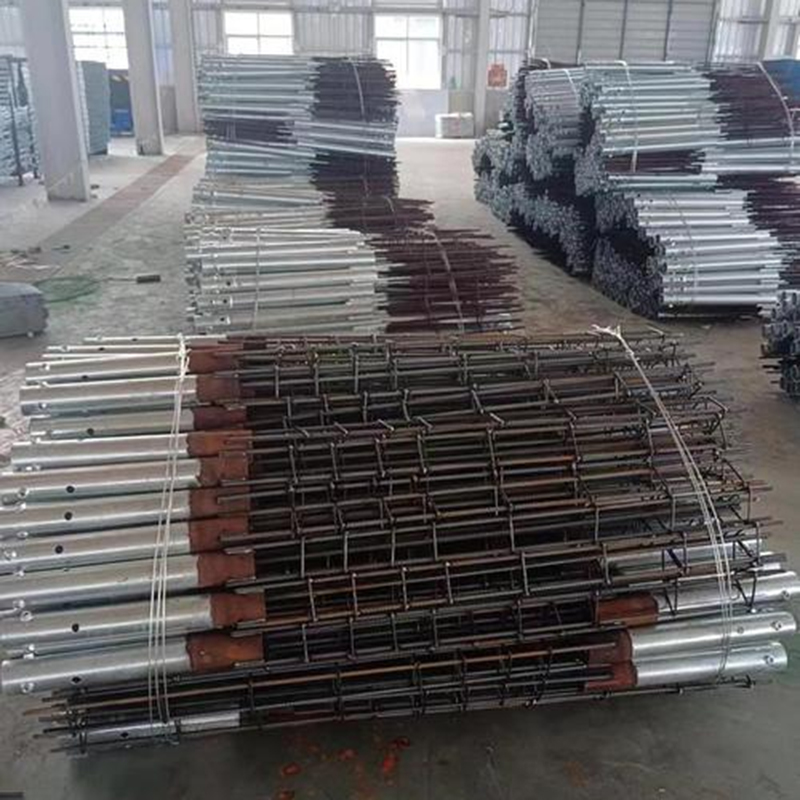
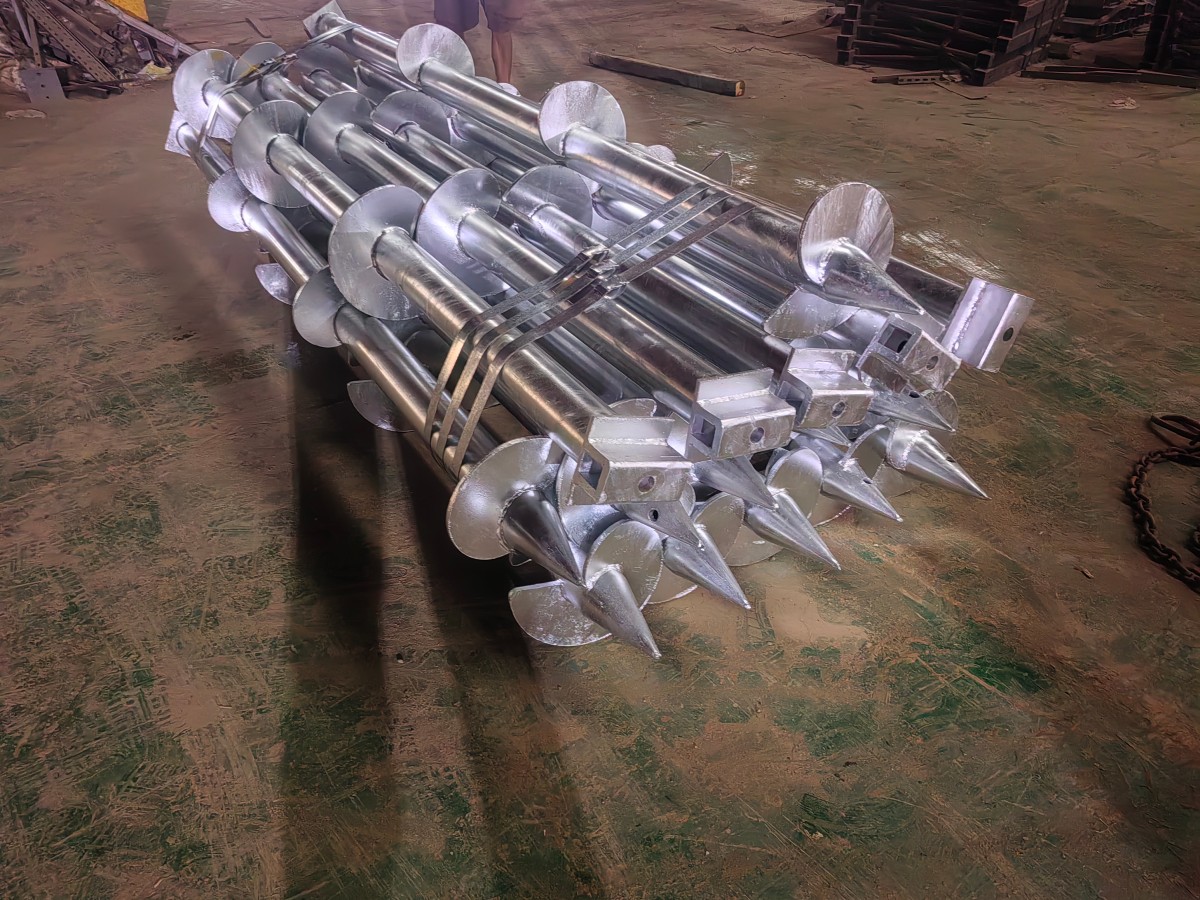
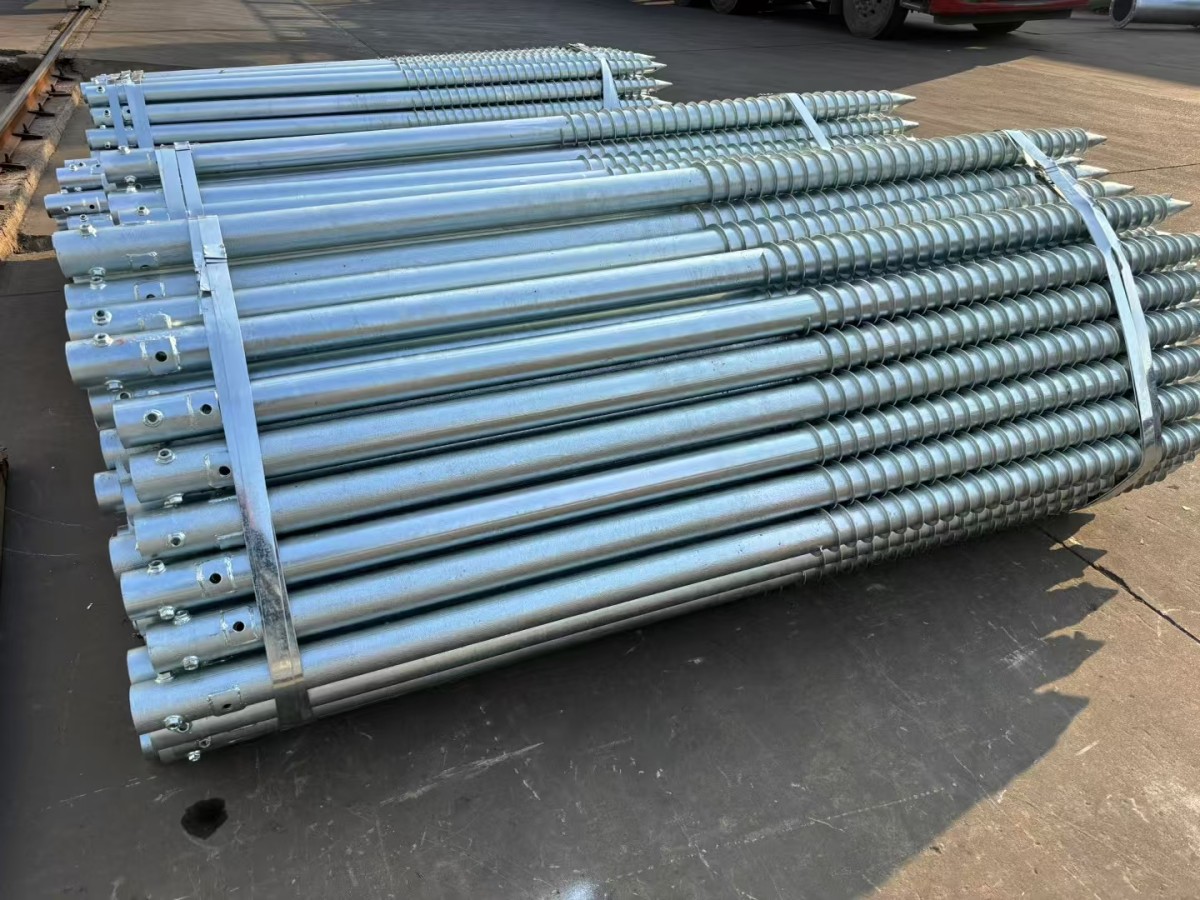
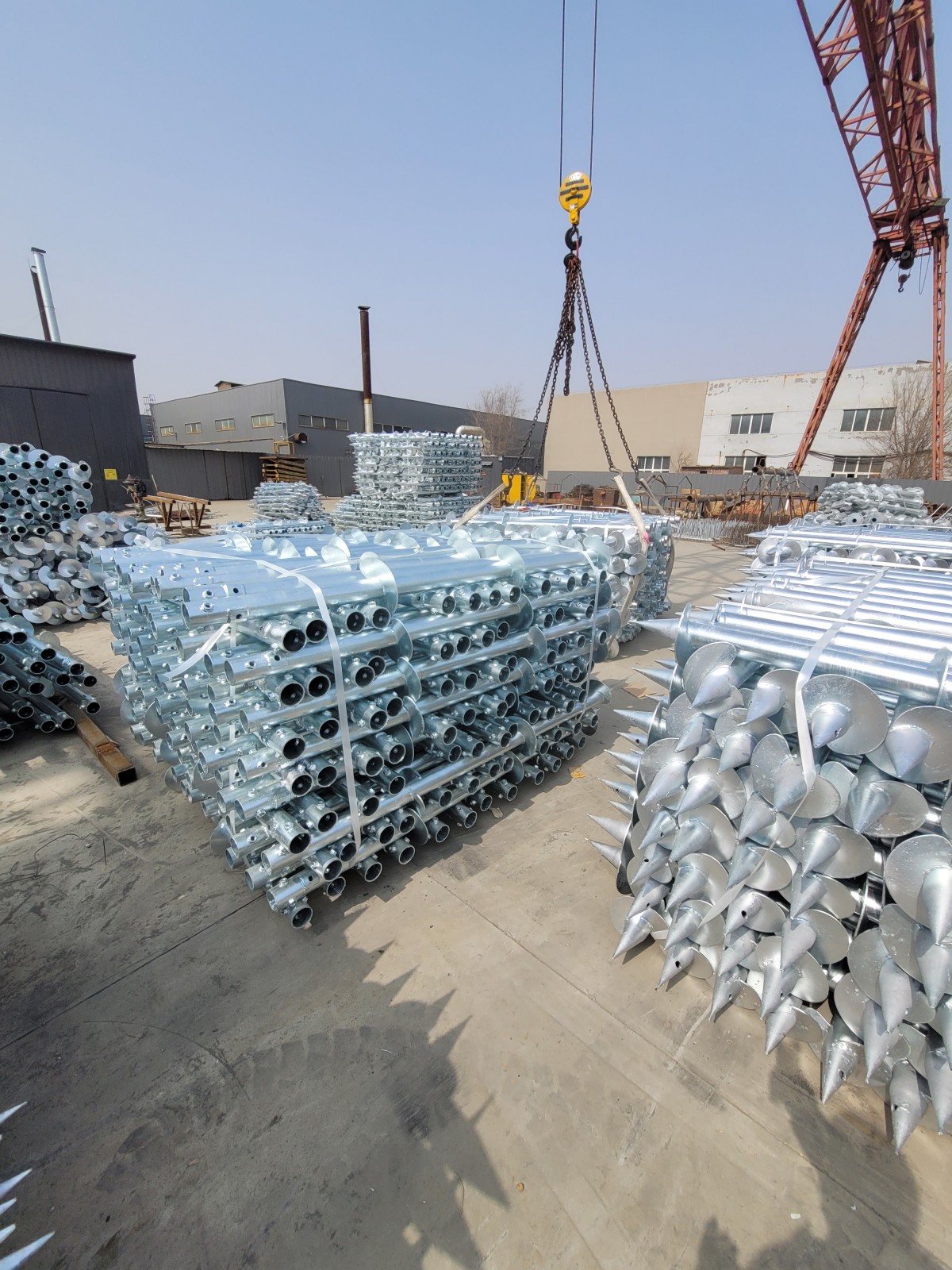
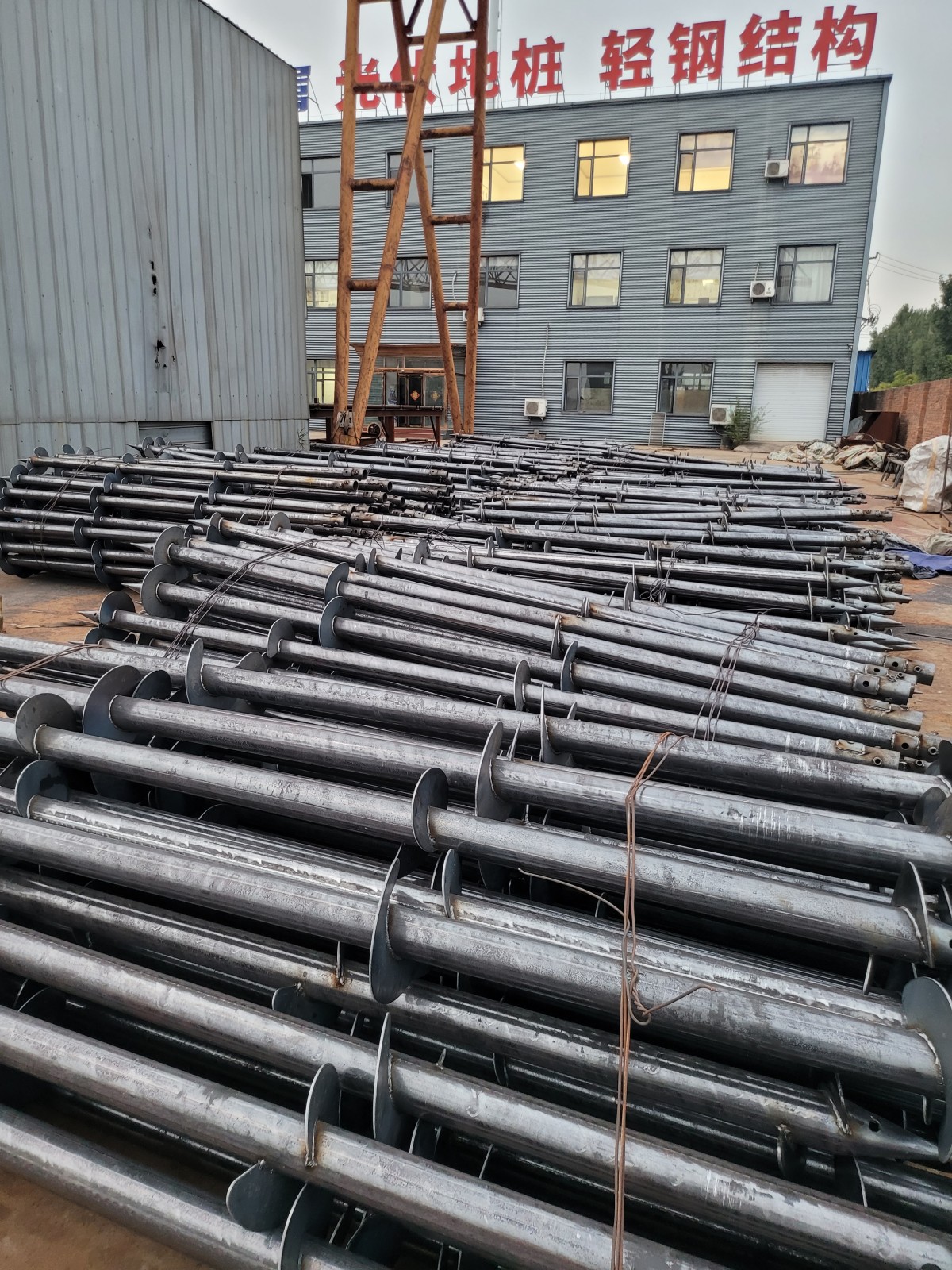
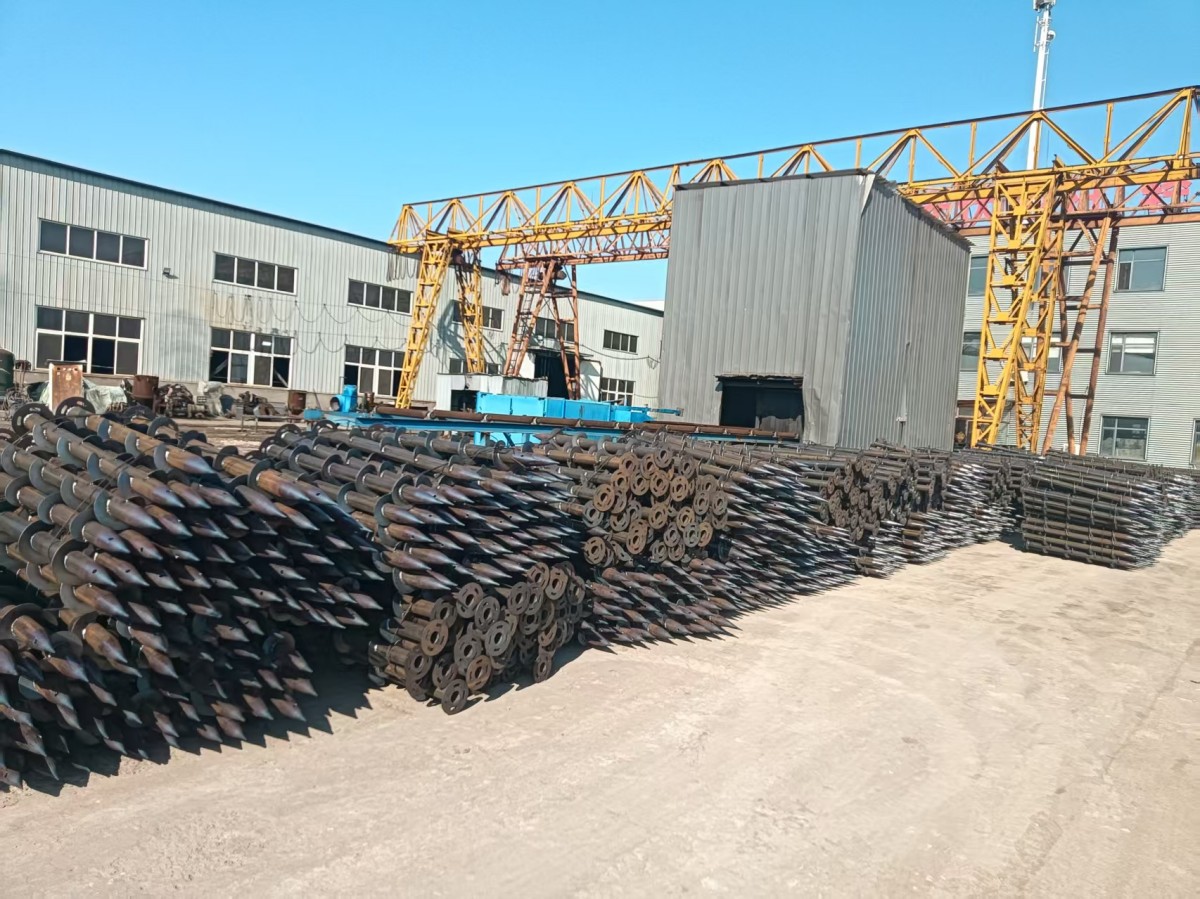
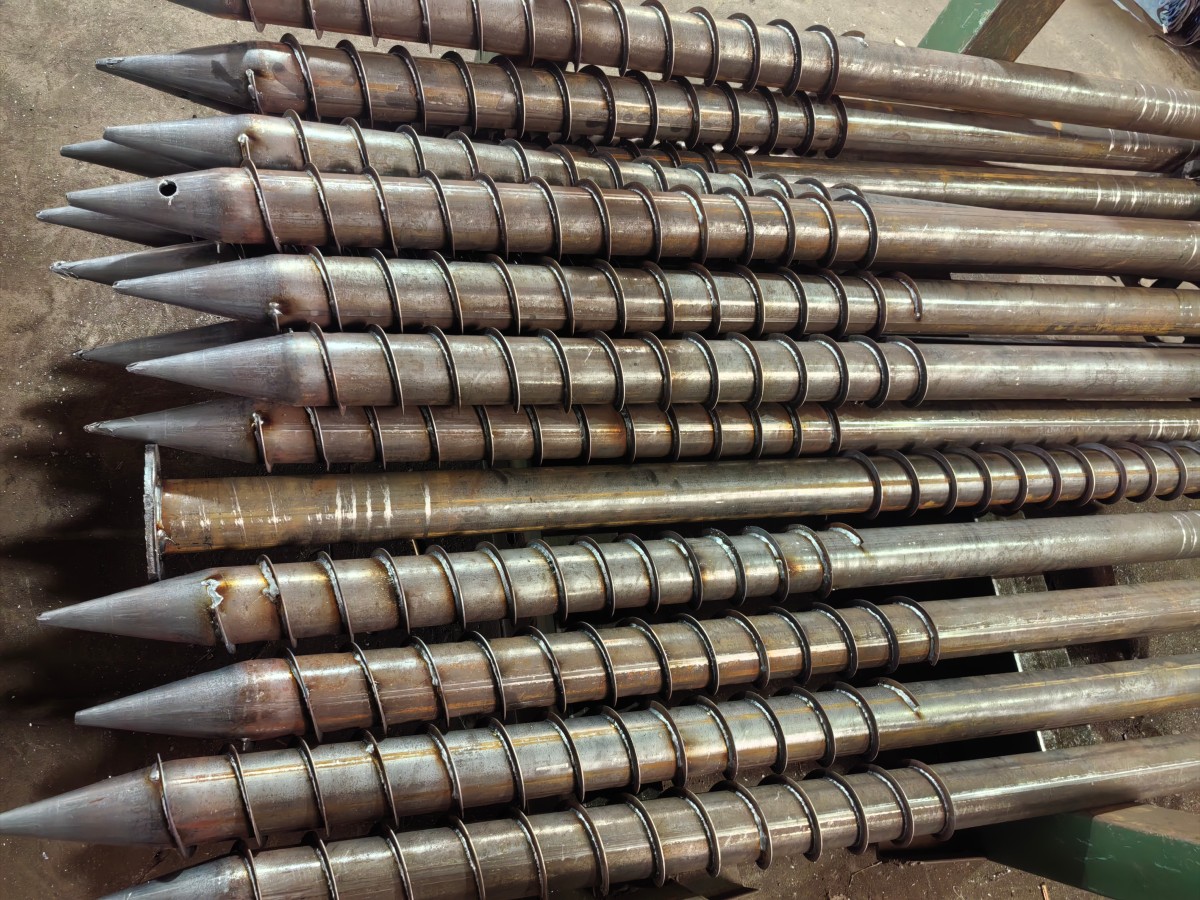
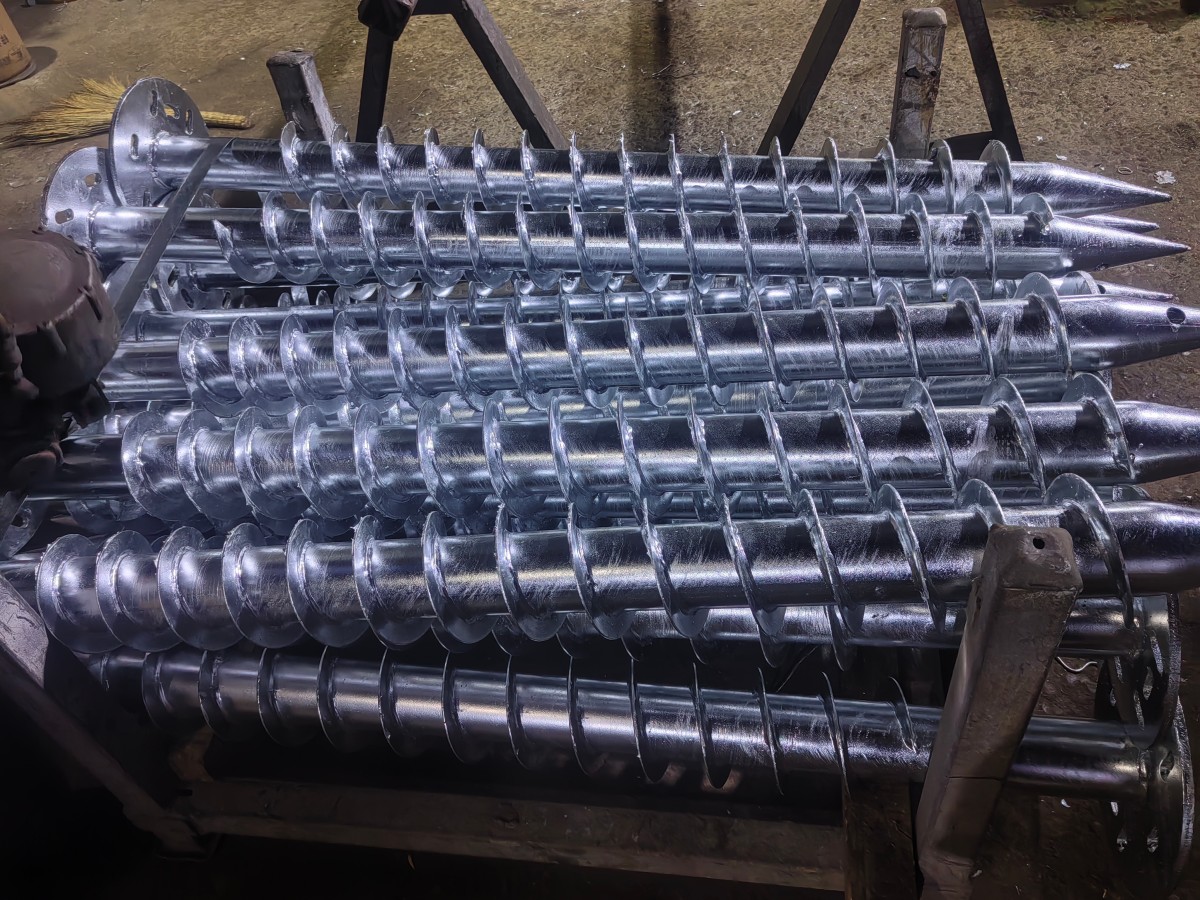
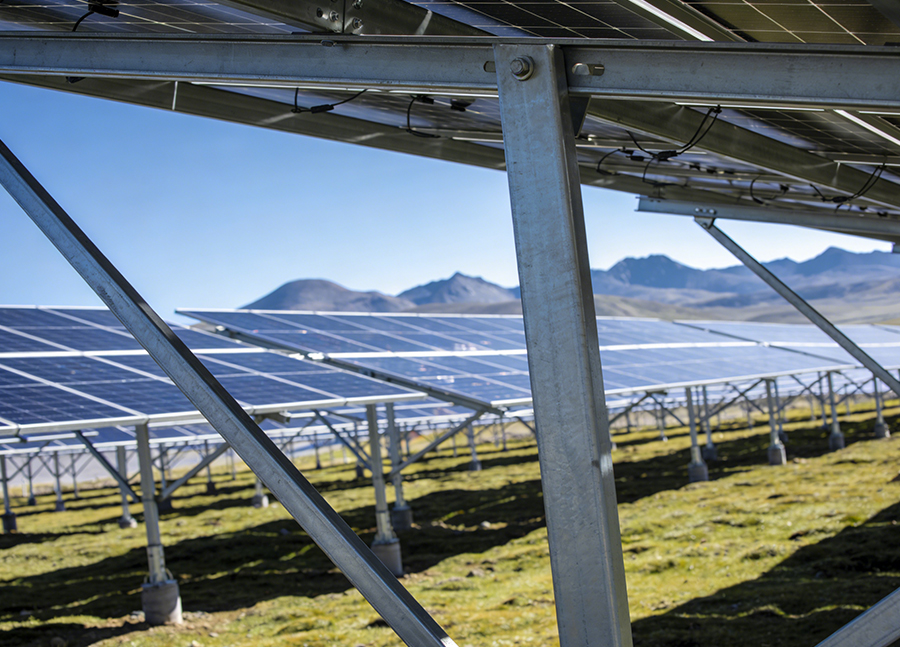
Reinforced cement cast-in-place piles for photovoltaics are the core type of foundation for photovoltaic power stations. They are formed by on-site drilling, placing steel cages and pouring concrete, providing stable support relying on the friction and end bearing capacity between the pile body and the soil, adapting to the long-term load requirements of large-scale photovoltaic projects.
-
It is mainly composed of a steel frame (steel pipe sleeve, steel cage) and a concrete pile body. The steel cage usually adopts HRB400 grade steel bars, and the spacing of main bars and stirrups is designed according to the force requirements; the concrete strength is mostly C30-C40, ensuring the compression and uplift performance of the pile body.
-
Strong bearing capacity: Steel bars and concrete work together, which can not only bear the vertical load of photovoltaic brackets and photovoltaic panels, but also have excellent uplift and anti-overturning capacity, adapting to complex working conditions such as strong winds and earthquakes. High stability: The pile body is embedded deep into the stratum, closely combined with the soil, less affected by geological settlement, temperature changes, etc., and can ensure the long-term stable operation of the photovoltaic power station (the design service life is generally more than 25 years). Wide adaptability: It can cope with various geological conditions such as cohesive soil, sandy soil and silty soil. Even in soft soil formations, it can meet the bearing requirements by increasing the pile length or expanding the pile diameter.